
Ontario Ministry of Labour Inspections: What Property Owners and Contractors Should Know
- August 19, 2026
- Posted by: Nathan Edwards
- Categories: Asbestos Assessment / Survey, Asbestos Sampling, Designated Substance Survey, Environmental Consultant, Environmental Consulting, IES Consulting, Mold Testing, Mold Testing, Mould Assessment, Mould Sampling, Mould Testing
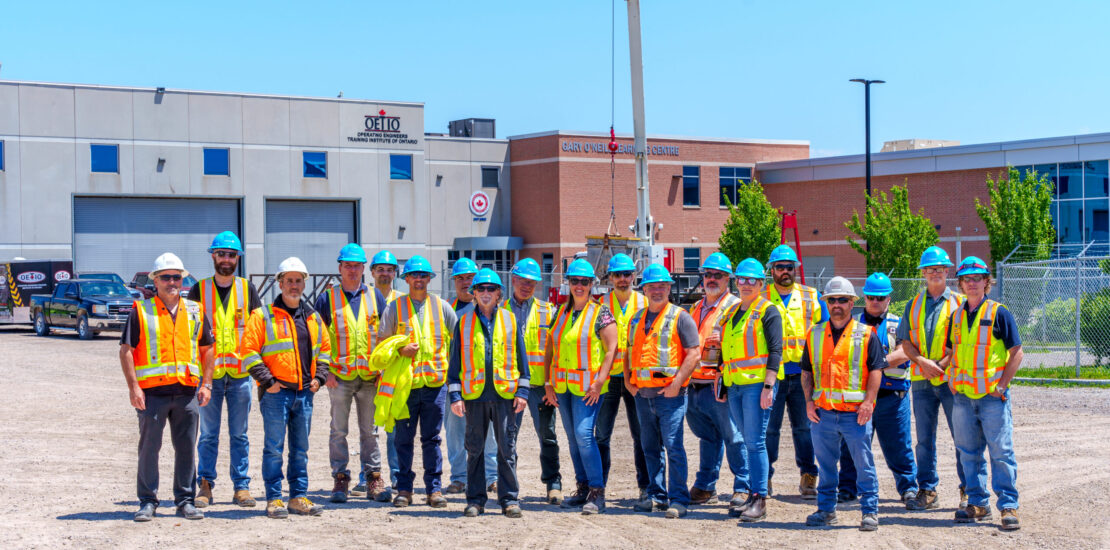
A Ministry of Labour inspector arrives at your construction, renovation or demolition project in Ontario.
Are you ready?
For property owners and contractors, an inspection from Ontario’s Ministry of Labour, Immigration, Training and Skills Development, often still referred to simply as the Ministry of Labour or MOL, does not necessarily mean something has gone wrong.
However, if required assessments have not been completed, workers are being exposed to uncontrolled hazards or important documentation is unavailable, an inspection can quickly affect the progress of your project.
Ontario’s Occupational Health and Safety Act (OHSA) gives health and safety inspectors significant authority to inspect workplaces and construction projects. Inspectors can review working conditions, speak with workplace parties, examine documentation and issue orders where they identify non-compliance.
For property owners, constructors, general contractors, restoration companies and subcontractors, the best time to prepare for a Ministry of Labour inspection is long before an inspector arrives.
Understanding your responsibilities and identifying environmental and occupational hazards before work begins can help protect workers, reduce project delays and keep your job moving.
Why Does the Ontario Ministry of Labour Conduct Inspections?
The purpose of Ontario’s occupational health and safety system is to protect workers from workplace injuries and occupational illnesses.
Ministry inspectors visit workplaces and construction projects to determine whether employers, constructors, owners, supervisors and workers are meeting their obligations under the OHSA and applicable regulations.
An inspection can happen for several reasons.
A Ministry inspector may visit a site as part of a proactive inspection initiative, following a workplace incident, after receiving a complaint or because they identify a potential concern.
Construction projects receive particular attention because workers can encounter numerous hazards, including falls, moving equipment, electrical hazards, confined spaces and exposure to hazardous substances.
Environmental and occupational health hazards can be less obvious.
A wall that appears harmless may contain asbestos-containing materials. Cutting concrete can create respirable silica dust. Renovation activities can disturb lead-containing coatings. Water damage can result in mould growth.
These hazards may not be immediately visible, which is why assessments, documentation and appropriate control measures are so important.
Can a Ministry of Labour Inspector Arrive Without Warning?
Yes. Under Ontario’s Occupational Health and Safety Act, inspectors have broad powers to enter and inspect workplaces while carrying out their duties.
Property owners and contractors should therefore operate under the assumption that their site could be inspected.
An inspector may examine the workplace, observe work practices, review equipment and materials, speak with workers and supervisors and request relevant documentation.
Depending on what is found, the inspector may also issue orders requiring corrective action.
This is why health, safety and environmental documentation should not be something that gets organized only when you hear an inspector is coming.
It should already be in place. The goal is not simply to “pass an inspection.”
The goal is to have a project where hazards have been identified, workers are appropriately protected and the project team can demonstrate how potential exposures are being controlled.
What Can Ministry of Labour Inspectors Look For?
There is no single checklist that applies to every Ministry of Labour inspection in Ontario.
The hazards associated with demolishing an older commercial building will be different from those encountered during a small renovation, an insurance restoration project or work inside an industrial facility.
However, environmental and occupational health concerns can include worker exposure to:
Asbestos
Lead
Silica
Mercury
Mould
Dust and airborne particulates
Chemicals
Hazardous building materials
Excessive noise
Other designated substances
Where these hazards may be present, the project team may need appropriate assessments, testing, documentation and control measures.
Finding these hazards before workers disturb them is considerably easier than dealing with them after construction is underway.
Property Owners Have Responsibilities Before Work Begins
One of the most important requirements for Ontario property owners appears in Section 30 of the Occupational Health and Safety Act.
Before beginning a project, an owner must determine whether any designated substances are present at the project site and prepare a list of the designated substances that are present.
Where work is being tendered, this information must also be communicated through the appropriate bidding process.
This requirement is extremely important during renovation, alteration and demolition projects.
A property owner should not assume that hiring a contractor automatically transfers every responsibility associated with hazardous building materials to that contractor.
Environmental due diligence begins before workers start opening walls, removing flooring, cutting concrete or demolishing building components.
This is where a Designated Substance Survey, commonly referred to as a DSS, can become an important part of project planning.
Why a Designated Substance Survey Matters
A Designated Substance Survey helps identify designated substances that may be encountered during planned work.
The purpose is not simply to create another document for the project file.
The information can help contractors understand what hazards may be present before they determine how the work should proceed.
Depending on the building, its age and the scope of work, designated substances could be found in materials or systems that workers will disturb.
When this information is identified before construction begins, the project team can plan accordingly.
When it is discovered after work begins, the consequences can be significantly more disruptive.
Work may need to stop while materials are assessed or sampled. Additional contractors may need to be brought in. Work procedures may need to change. Abatement or other controls may be required before construction can continue.
The earlier you know what you are dealing with, the better you can plan for it.
Asbestos Is a Major Consideration During Renovations and Demolitions
Asbestos remains one of the most important hazardous building materials contractors can encounter in Ontario.
Ontario Regulation 278/05, Designated Substance – Asbestos on Construction Projects and in Buildings and Repair Operations, establishes requirements related to asbestos on construction projects and during building repair and alteration work.
Depending on the building and its construction history, asbestos-containing material may be present in:
Mechanical insulation
Pipe insulation
Drywall joint compound
Plaster
Vinyl floor tiles
Ceiling tiles
Roofing materials
Fireproofing
Cement products
Other building materials
You cannot reliably determine whether a suspect building material contains asbestos simply by looking at it.
Sampling and laboratory analysis may be required.
The important point for property owners and contractors is simple: find out before you disturb it.
What Happens If an Inspector Finds a Problem?
A Ministry inspector does not necessarily need to wait for an injury or illness to occur before requiring corrective action.
Where an inspector identifies non-compliance with Ontario occupational health and safety requirements, orders can be issued requiring workplace parties to address the problem.
Depending on the situation, work involving a particular hazard may also have to stop until appropriate measures are taken.
For a construction project, even a temporary interruption can become expensive.
Consider everything connected to a project schedule:
Labour
Subcontractors
Equipment rentals
Waste bins
Building access
Material deliveries
Demolition equipment
Restoration timelines
Insurance claim schedules
Tenant commitments
Completion deadlines
If those pieces have already been scheduled and work suddenly cannot continue, the costs can add up quickly.
Preventing hazards is primarily about protecting people, but proactive environmental planning can also protect your schedule and budget.
Who Is Responsible on an Ontario Construction Project?
Several workplace parties can have responsibilities under Ontario’s occupational health and safety legislation.
That includes owners, constructors, employers, supervisors and workers.
The exact responsibilities depend on the role each party has on the project.
The owner has important pre-project obligations, including requirements related to designated substances.
The constructor generally has overall responsibility for ensuring that prescribed health and safety requirements are followed on a construction project.
Employers and contractors have responsibilities for protecting their workers and ensuring the requirements applicable to their work are followed.
This makes communication extremely important.
A hazardous materials assessment provides little protection if the findings never reach the contractor performing the work.
Everyone who needs the information should receive it before exposure occurs.
What Documentation Should Property Owners and Contractors Have?
There is no universal environmental documentation package for every Ontario project.
The appropriate documentation depends on the building, scope of work and hazards involved.
However, relevant documents may include:
Asbestos assessment reports
Hazardous materials assessments
Laboratory results
Air monitoring reports
Exposure testing results
Mould assessments
Indoor air quality reports
Dust identification results
Remediation documentation
Safe work procedures
Safety Data Sheets
Respirator fit testing records
Worker training records
Documentation should answer a few straightforward questions.
What hazards are present?
Who could potentially be exposed?
What is being done to control that exposure?
Being able to answer those questions before work begins puts a project in a much stronger position.
Renovation and Demolition Projects Require Extra Attention
Renovation and demolition projects can create unique exposure risks because materials that have remained untouched for decades may suddenly be disturbed.
Older buildings can contain materials and substances that are no longer commonly used today.
These substances may be hidden behind walls, above ceilings, beneath flooring or around mechanical equipment.
A building can look perfectly safe during normal occupancy while containing materials that become a concern once they are cut, drilled, sanded, removed or demolished.
This is why pre-renovation and pre-demolition assessments are so valuable.
Environmental consultants can review the proposed scope of work, identify suspect materials, collect samples where appropriate and provide documentation to help the project team understand what is present.
The assessment occurs before the demolition crew discovers the problem for you.
What Should You Do If You Find an Unexpected Material?
Unexpected conditions occur on construction sites.
If a contractor discovers a suspicious material that was not previously identified, continuing to disturb it without understanding what it is can create unnecessary risk.
The appropriate response is to assess the situation before proceeding.
Not every suspicious material contains asbestos.
Not every discoloured surface is mould.
Not every dust exposure requires the same control measures.
The key is avoiding assumptions.
Depending on the situation, environmental testing may include bulk material sampling, asbestos testing, mould sampling, surface sampling, air sampling, dust identification or occupational exposure testing.
Once you know what is actually present, an appropriate plan can be developed.
How Can You Prepare for a Ministry of Labour Inspection?
The best way to prepare for an inspection is to operate as though one could happen at any time.
Before beginning potentially hazardous construction, renovation or demolition work:
Understand your scope of work. Know exactly what materials and areas are going to be disturbed.
Identify potential hazards. Consider the building’s age, construction materials, previous uses and current conditions.
Complete necessary assessments. Have qualified professionals assess potential environmental and occupational health hazards when required.
Communicate the findings. Make sure contractors and workers who require the information receive it.
Establish appropriate controls. Identifying a hazard is only useful if the information is used to protect workers.
Keep documentation accessible. Reports and records should be organized and available when required.
Get professional help when needed. Environmental and occupational health hazards can be complicated. Addressing uncertainty before work begins is usually far easier than dealing with it during active construction.
Don’t Wait Until an Inspector Is Standing on Site
A Ministry of Labour inspection does not have to derail your project.
Preparation can make all the difference.
For Ontario property owners and contractors, identifying environmental hazards before construction begins helps protect workers, improves project planning and reduces the likelihood of unexpected delays.
At IES Consulting, we help property owners, contractors, restoration companies, facility managers and other organizations identify and manage environmental and occupational health hazards throughout Ontario.
Our services include Designated Substance Surveys, asbestos assessments and sampling, mould assessments, indoor air quality investigations, exposure level testing, hazardous materials consulting, air monitoring, dust identification, noise assessments, post-fire consulting and other environmental health and safety services.
Whether preparing for a renovation, demolition, restoration or other construction project, getting the right information early can help keep the project moving.
Need Help Preparing Your Ontario Project?
Don’t wait until an inspector is standing on site to discover that an environmental or occupational health issue was missed.
Contact IES Consulting before work begins to discuss your project.
Our team can help identify potential hazards, complete appropriate assessments and provide the information you need to make informed decisions before your contractors get to work.
Know what’s there before you disturb it.