
A Room-by-Room Indoor Air Quality Checklist for Your Home
- October 14, 2026
- Posted by: Nathan Edwards
- Categories: Air Quality Testing, Air Sampling, Environmental Consultant, Environmental Consulting, Environmental Site Assessment (ESA), IES Consulting, Radon Testing
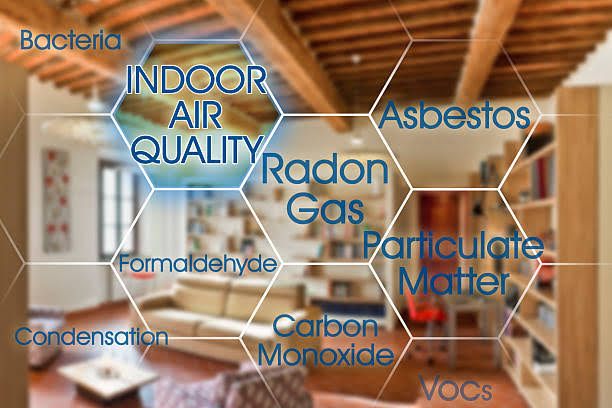
When was the last time you walked through your home with indoor air quality in mind?
You don’t need specialized equipment to notice a leaking pipe, a blocked vent, or moisture that keeps coming back. These everyday observations help you spot maintenance needs and recognize when a concern deserves a closer look.
This checklist from IES Consulting gives homeowners a practical starting point. It can’t confirm that your air is free of pollutants, but it will help you know what to look for, and where.
Kitchen: Start With Cooking and Exhaust Ventilation
Cooking adds moisture and airborne particles to your home. Start by checking how your kitchen handles them.
Your kitchen checklist:
- Do you use the range hood every time you cook?
- Does the hood vent outdoors, or recirculate air back into the room?
- Are its filters due for cleaning or replacement?
- Is there any sign of a leak under the sink or around the dishwasher?
- Are cleaning products closed and stored according to their labels?
An externally vented range hood removes cooking pollutants at the source. Health Canada recommends turning the fan on when you start cooking and leaving it running for about 5 to 15 minutes afterwards. Read Health Canada’s guidance on cooking and ventilation.
Bathrooms: Notice What Happens After a Shower
Bathrooms see high moisture levels every day. Watch whether surfaces dry out between uses, and whether dampness keeps returning.
Your bathroom checklist:
- Does the exhaust fan run when you switch it on?
- Is the fan grille visibly clogged with dust?
- Do walls or ceilings stay damp long after a shower?
- Are there recurring spots or discolouration around the tub, shower, or ceiling?
- Are there leaks around the toilet, sink, or plumbing connections?
A running fan doesn’t necessarily mean moisture is being removed. If dampness lingers despite regular fan use, the ventilation may need attention.
Recurring mould is also a signal to look for the moisture source. Health Canada stresses fixing moisture problems as part of dealing with indoor mould. See its guide to moisture and mould.
Basement and Laundry: Look for Changes After Rain or Washing
Check these areas after heavy rain and while you’re doing laundry. Some problems are easiest to spot while the weather or activity that triggers them is happening.
Your basement and laundry checklist:
- Are there new water stains, damp patches, or peeling finishes?
- Do boxes, carpets, or other stored items feel damp?
- Does a musty smell appear, or get stronger, after rain?
- Are washing-machine hoses or connections leaking?
- For a vented dryer, is the exhaust connected outdoors, with no obvious damage or disconnection?
- Do you clean the lint screen after every load, and is the outdoor vent free of lint buildup?
Note where you find moisture and when it shows up. A dated photo can show whether a stain is new, spreading, or recurring. For dryer care, follow the manufacturer’s instructions along with Health Canada’s home air quality recommendations.
Bedrooms and Living Areas: Check Everyday Habits and Airflow
These rooms may have fewer obvious moisture sources, but furnishings, daily habits, and airflow still matter.
Your bedroom and living-area checklist:
- Are supply vents or return-air grilles blocked by furniture, rugs, or curtains?
- Is dust building up around grilles or nearby surfaces?
- Are candles, incense, or indoor smoking adding smoke to the air?
- Have you recently added furniture, flooring, paint, or other new materials?
- Is there condensation or staining around windows?
Note when a change first became noticeable, especially if it followed decorating or renovation work. Dust or an odour alone can’t tell you whether there’s a harmful exposure, but the timing gives useful context.
Health Canada recommends reducing indoor pollution sources and keeping air moving. Opening windows can help when outdoor air quality and weather allow. Learn about ventilation in the home.
Whole-Home Checks: Add These to Your Maintenance Routine
Some checks apply to the whole house.
- Filters: Check furnace and air-conditioning filters and follow the manufacturer’s replacement schedule.
- Ventilation equipment: If your home has an HRV or ERV, follow its cleaning and servicing instructions.
- Radon: You can’t see or smell radon, so arrange a test. Health Canada recommends testing every home.
- Recent changes: Keep a record of leaks, renovations, new materials, and equipment maintenance.
These checks support regular upkeep, but they don’t replace an assessment of a persistent concern. Health Canada’s indoor air quality guidance lists more steps homeowners can take.
Keep a Simple Record of What You Notice
If something seems off, write down:
- Which room is affected
- When the issue happens
- What was going on beforehand
- Whether it changes with rain, cooking, laundry, or equipment use
- Whether it comes back after cleaning or maintenance
For example, “a musty smell in the basement after heavy rain” is far more useful than “the house smells strange.”
Avoid assuming one observation pinpoints the cause. The goal of the checklist is to capture useful details and flag what needs attention.
When Should You Contact IES?
If you notice recurring moisture, a persistent unexplained odour, or a concern that remains after routine maintenance, a professional investigation can help determine the next step.
Our article, Poor Air Quality or an Unusual Odour? When Your Building Needs an Indoor Air Quality Investigation, explains when further investigation makes sense and what the process involves.
IES Consulting provides indoor air quality investigations, odour assessments, mould assessments, and environmental testing for properties throughout Southern Ontario.
Have a concern about the air in your home? Contact IES Consulting to talk through what you’ve noticed and the right next step.