
Implementing Effective Hearing Conservation Programs
- February 23, 2026
- Posted by: Chris Croft
- Categories: IES Consulting, Noise Level Testing
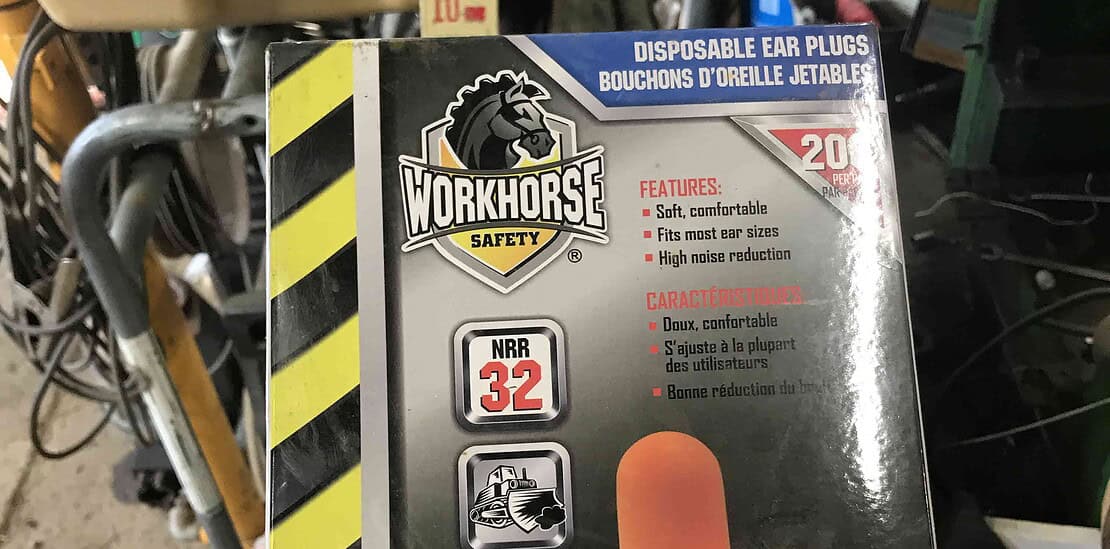
Hearing conservation is a critical aspect of workplace safety. It’s especially important in industries where noise exposure is a significant concern.
Implementing effective hearing conservation programs can be a complex task. It requires a comprehensive understanding of legal requirements, best practices, and the specific needs of your workplace.
This guide aims to provide you with the necessary knowledge and tools. It will help you develop and implement a successful hearing conservation program in your workplace.
We will explore the key components of an effective program. These include noise assessment, audiometric testing, hearing protection devices, and employee training.
We will also delve into the specifics of implementing these programs in Windsor, Chatham, London, and Sarnia.
Join us as we navigate the path to better hearing conservation in the workplace.
Understanding the Need for Hearing Conservation Programs
Noise-induced hearing loss is a serious threat in many workplaces. Prolonged exposure to high noise levels can lead to permanent hearing damage. This affects not just an individual’s health but also their productivity and overall quality of life.
Hearing conservation programs aim to mitigate these risks. They are essential for maintaining safe and healthy workplace environments. By implementing these programs, employers protect their workers and comply with occupational health and safety regulations. Understanding the need and benefits of these programs is the first step in making workplaces safer.
Legal Requirements and Best Practices
Hearing conservation programs are not just recommended; they are often legally required. Different regions, like Windsor, Chatham, London, and Sarnia, have specific regulations to follow. It’s vital for employers to understand these rules to ensure compliance and protect their workforce.
Successful programs integrate both legal requirements and industry best practices. This ensures not only safety but also efficiency in program implementation. Educating your team about these practices will foster a culture of safety and cooperation.
Key components of best practices in hearing conservation include:
- Regular noise assessments and monitoring
- Comprehensive employee training
- Consistent use of personal protective equipment
- Record-keeping and documentation
Identifying Noise Hazards in the Workplace
The first step in implementing a hearing conservation program is identifying noise hazards. This involves thoroughly examining all areas where workers may be exposed to harmful noise levels. Heavy machinery, bustling workspaces, and loud operations are common sources of excessive noise.
Conducting regular site inspections helps pinpoint these hazards. It’s important to also consider seasonal or temporary work conditions which might affect noise levels. Taking proactive measures can prevent noise-induced injuries before they occur.
Assessing Noise Exposure and At-Risk Employees
After identifying hazards, the next step is assessing noise exposure. This involves measuring sound levels and identifying employees who are at risk. Using sound level meters or dosimeters can offer precise assessments of noise exposure.
This data helps in deciding who requires hearing protection and what measures are necessary. Regular assessments and reviews ensure the relevance and effectiveness of the hearing conservation program. Ongoing evaluation is key to maintaining a safe work environment.
Key Components of an Effective Hearing Conservation Program
To establish an effective hearing conservation program, several key components must be included. These elements ensure a comprehensive approach to mitigating workplace noise risks and protecting employee hearing.
A robust program includes regular assessments, employee training, and the provision of appropriate protective equipment. Staying up-to-date with technology and leveraging resources can significantly enhance program effectiveness.
Consider these essential components:
- Noise monitoring and risk assessment
- Audiometric testing
- Adequate selection and training for hearing protection use
- Ongoing training and employee education
- Comprehensive record-keeping and documentation
Audiometric Testing: The Cornerstone of Hearing Conservation
Audiometric testing is a vital part of any hearing conservation program. It serves as a baseline for detecting changes in hearing over time. Early detection through regular testing can prevent long-term damage.
Conducting annual audiometric tests allows for timely interventions. It also helps in tailoring protective measures to individual needs. Privacy and confidentiality of test results should always be maintained.
The Selection and Use of Hearing Protection Devices
Choosing the right hearing protection devices (HPDs) is crucial for effective noise reduction. The selection should match the specific noise levels and work environment. Earmuffs, earplugs, and custom-fitted options can offer varying degrees of protection.
Training employees on the proper use and maintenance of HPDs is essential. This ensures maximum effectiveness and prolonged use of the devices. Regular checks can identify when replacements or adjustments are needed.
Employee Training and Education
Training and education programs are essential for empowering employees to protect their hearing. These programs should cover the risks of noise exposure and the benefits of using protective devices.
Interactive workshops and ongoing educational sessions can increase awareness. Programs should encourage active participation and engagement from all employees. A well-informed workforce is a safer and more productive workforce.
Implementing the Program: Steps for Success
Implementing a hearing conservation program requires careful planning and execution. Begin with a thorough assessment of noise levels in the workplace. Based on this assessment, identify the primary areas needing intervention.
Develop a structured plan, keeping in mind both legal requirements and best practices. Involve employees in the process to ensure widespread understanding and compliance.
Here are the steps for successful implementation:
- Conduct a comprehensive noise survey
- Develop a detailed action plan
- Purchase suitable hearing protection equipment
- Schedule regular training sessions
- Monitor and evaluate program effectiveness
Customizing Your Hearing Conservation Program
Every workplace has unique noise challenges, requiring tailored solutions. Customizing your program ensures it meets specific needs and conditions. Consider the industry’s nature and typical noise sources when designing your program.
Adapt the training and protective measures to fit different roles within the organization. This personalized approach helps increase employee compliance and program success. Custom-fitted equipment and tailored training sessions often improve overall effectiveness. Regular reviews can ensure the program stays relevant and effective as workplace dynamics change.
Maintaining and Reviewing Your Hearing Conservation Program
The success of a hearing conservation program depends on regular maintenance and periodic reviews. Continuous monitoring ensures that it remains effective and compliant with current regulations.
Evaluate the program annually to identify areas of improvement. Use employee feedback, changes in noise levels, and technological advancements to make necessary adjustments.
Here are the essential maintenance tasks:
- Update noise exposure assessments
- Review and renew employee training
- Inspect and maintain hearing protection devices
- Document all program activities
- Reassess compliance with legal standards
Engaging Employees and Encouraging Participation
Employee involvement is crucial for a thriving hearing conservation program. Encourage participation through clear communication and comprehensive education about noise risks.
Offer incentives to motivate employees to engage actively. Consider creating ambassadors within the workforce to promote consistent use of hearing protection. Regularly highlight the personal and professional benefits of the program to enhance commitment. Tailor communication strategies to fit diverse employee groups, ensuring inclusivity and broad awareness.
Conclusion: The Benefits of a Sound Hearing Conservation Strategy
A well-implemented hearing conservation program safeguards employee health and enhances workplace productivity. Preventing noise-induced hearing loss reduces long-term medical costs and improves quality of life.
Employers who invest in these programs will also see improved job satisfaction and retention rates. By addressing hearing safety proactively, organizations demonstrate their commitment to employee well-being and create a positive safety culture that benefits everyone involved.
Contact IES Consulting today to see how we can help.