
Silica Awareness Training for Ontario Workers: Requirements, Risks, and Cost-Effective Online Solutions
- April 16, 2026
- Posted by: Chris Croft
- Categories: Designated Substance Survey, Environmental Consulting
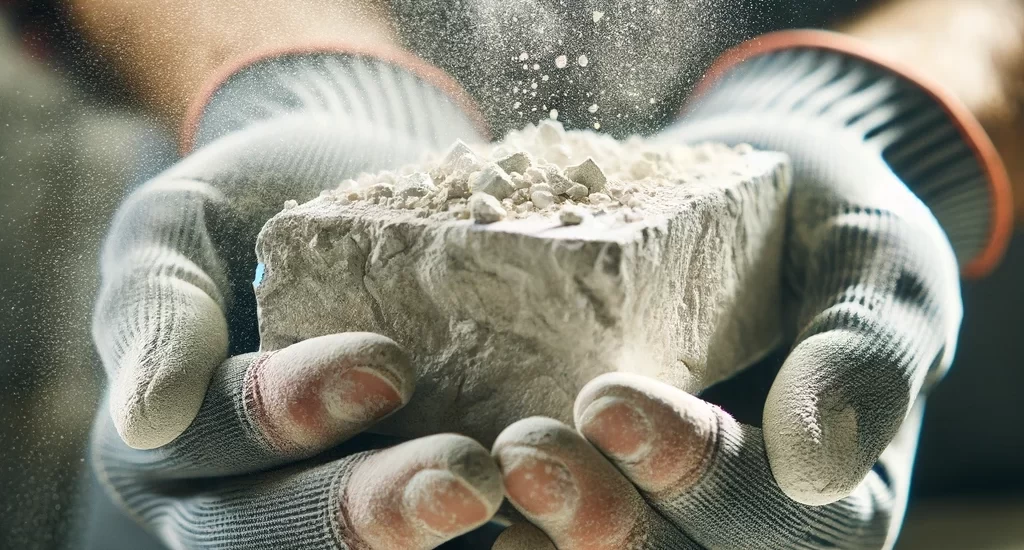
Respirable crystalline silica exposure remains a major occupational health risk across Ontario, particularly in construction, manufacturing, and industrial settings. Activities such as cutting, grinding, drilling, and crushing silica-containing materials can release fine airborne particles that pose serious long-term health risks. For Ontario employers and workers, understanding these risks and ensuring proper training is essential for both regulatory compliance and worker protection.
This guide outlines what Ontario workers need to know about silica hazards, applicable legislation, and how cost-effective online training through IES can help organizations meet their obligations while maintaining operational efficiency.
What is Crystalline Silica and Why is it Dangerous?
Crystalline silica is a common mineral found in materials such as concrete, brick, stone, mortar, and sand. When these materials are disturbed during work activities, they can release respirable silica dust—particles small enough to penetrate deep into the lungs.
Exposure to respirable crystalline silica is associated with serious and often irreversible health conditions, including silicosis, lung cancer, chronic obstructive pulmonary disease, and kidney disease. Silicosis, in particular, is a progressive and incurable lung disease caused by the inhalation of silica dust.
What makes silica especially hazardous is that these particles are often invisible to the naked eye, and harmful exposure can occur without obvious warning signs.
Where is Silica Found in Ontario Workplaces?
Silica exposure is common in a wide range of industries and tasks. Workers in construction and trades are particularly at risk when performing activities such as cutting or grinding concrete, drilling into masonry or brick, demolition of structures, and sweeping or handling dry materials like sand or cement.
In addition to construction environments, silica exposure may occur in manufacturing facilities, foundries, quarries, and during roadwork or tunneling operations. Even routine maintenance activities can generate hazardous dust if proper controls are not in place.
Ontario Regulations and Exposure Limits
In Ontario, exposure to crystalline silica is regulated under the Occupational Health and Safety Act, with specific requirements outlined in Ontario Regulation 833 for Control of Exposure to Biological or Chemical Agents.
The regulation establishes occupational exposure limits for respirable crystalline silica and requires employers to assess worker exposure and implement appropriate controls. These controls follow the hierarchy of controls, including engineering controls such as wet cutting and local exhaust ventilation, administrative controls such as work practices and scheduling, and personal protective equipment where necessary.
Employers are also required to provide information, instruction, and supervision to workers who may be exposed to silica dust. Non-compliance can result in enforcement actions, including orders, fines, and project shutdowns.
Who Requires Silica Awareness Training?
Silica awareness training is required for any worker who may be exposed to silica dust during the course of their work. This includes construction workers, concrete cutters and finishers, masons and bricklayers, demolition crews, roadwork and infrastructure workers, and workers in manufacturing or processing environments involving stone or mineral products.
Supervisors and employers must also be adequately trained to understand the risks, implement controls, and ensure safe work practices are followed on site.
What Does Silica Awareness Training Cover?
A comprehensive silica awareness training program provides workers with the knowledge needed to identify hazards and reduce exposure. Training includes an overview of crystalline silica and its health effects, identification of silica-containing materials, tasks and processes that generate respirable dust, methods of controlling exposure including engineering controls and work practices, proper selection and use of personal protective equipment, hygiene and housekeeping requirements, and regulatory requirements specific to Ontario workplaces.
The objective of awareness training is to ensure workers can recognize silica hazards and take appropriate steps to prevent exposure, even if they are not directly responsible for implementing advanced control measures.
Why Silica Awareness Training is Critical
Silica awareness training is a key component of an effective occupational health and safety program. From a regulatory standpoint, it fulfills the requirement to inform and instruct workers on workplace hazards. From a practical perspective, it reduces the likelihood of unsafe work practices that can generate hazardous dust levels.
Without proper training, workers may unknowingly perform tasks such as dry cutting or sweeping, which can significantly increase airborne silica concentrations. Training ensures workers understand safer alternatives and the importance of control measures.
By reducing exposure risks, organizations can prevent long-term health issues, minimize liability, and maintain compliance with Ontario regulations.
The Benefits of Online Silica Awareness Training
Traditional in-person training sessions can present logistical challenges, particularly for companies with distributed workforces or tight project schedules. Online training offers a cost-effective and flexible solution.
Key benefits include reduced costs associated with travel and lost productivity, the ability for workers to complete training at their own pace, consistent and standardized delivery of course content, immediate access to certificates and training records, and scalability for organizations with multiple employees or job sites.
Online training allows employers to efficiently meet compliance requirements without disrupting operations.
What to Look for in a Silica Awareness Training Program
When selecting a training provider, it is important to ensure the program meets Ontario regulatory expectations and provides practical, applicable knowledge. A quality training program should align with Ontario Regulation 833 requirements, include real-world examples relevant to construction and industrial environments, clearly explain both worker and employer responsibilities, provide verifiable proof of completion, and be developed by professionals with experience in occupational hygiene and exposure assessment.
Choosing the right training ensures workers receive meaningful instruction that translates into safer work practices.
Why Choose IES for Silica Awareness Training?
IES has been providing environmental consulting and occupational hygiene services across Ontario since 1996. With extensive experience in assessing airborne hazards and developing control strategies, IES delivers training that reflects real-world conditions and regulatory expectations.
IES offers silica awareness training in a fully online format, making it accessible and cost-effective for organizations of all sizes. The training is developed by experienced professionals and focuses on practical application, ensuring workers understand how to identify risks and implement safe work practices in the field.
By leveraging IES training programs, employers can meet compliance requirements while equipping their workforce with the knowledge needed to reduce exposure risks.
Final Thoughts
Respirable crystalline silica exposure remains a serious occupational hazard in Ontario, particularly in construction and industrial settings. The risks are well understood, and the regulatory requirements are clear—workers must be informed, trained, and protected.
Silica awareness training is a fundamental step in reducing exposure and maintaining compliance. It empowers workers to recognize hazards, follow safe work practices, and contribute to a safer workplace environment.
For organizations seeking an efficient and cost-effective solution, online silica awareness training through IES provides a practical pathway to compliance and worker protection.
Contact IES today with any questions related to your training requirements.