
Why Healthcare Facilities and School Boards Need Environmental Consulting
- November 4, 2026
- Posted by: Nathan Edwards
- Categories: Air Quality Testing, Asbestos Assessment / Survey, Designated Substance Survey, Environmental Consultant, Environmental Consulting, IES Consulting, Mold Testing, Mould Assessment, Mould Sampling, Mould Testing
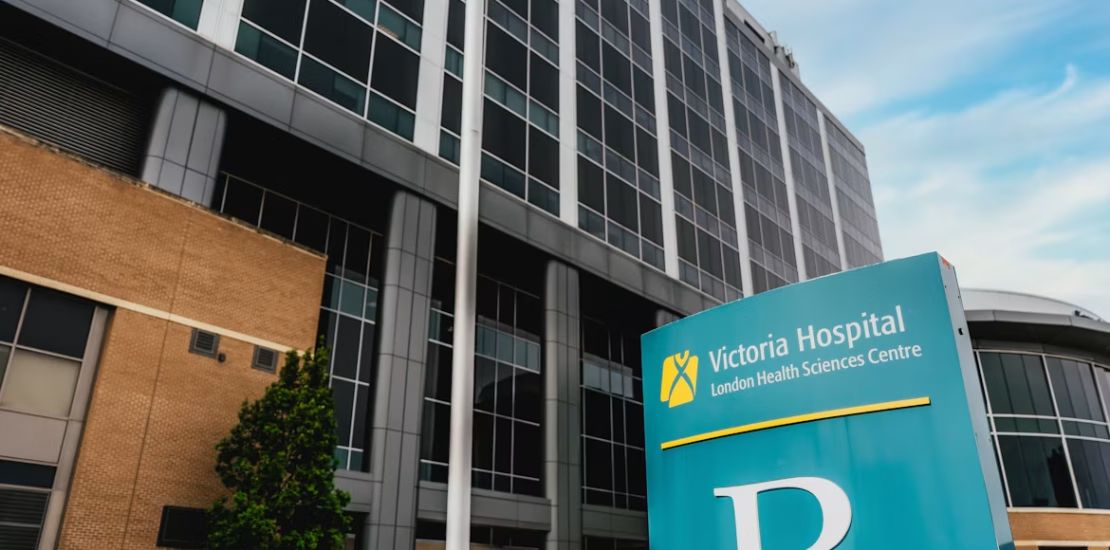
Healthcare facilities and schools depend on buildings that support the people inside them: patients, students, staff, and visitors. Keeping those buildings running involves more than routine maintenance. Renovations have to happen around occupied spaces, older buildings show their age, and concerns about air, water, or materials can surface at any time.
When an environmental concern arises, the question facility teams face is rarely “Is something wrong?” It’s “What do we actually know, and what should we do next?” That’s where environmental consulting comes in, helping answer practical questions about building conditions, workplace exposures, and planned changes.
Supporting healthcare environments
In a healthcare facility, maintenance and construction work never happens in isolation. It has to be coordinated around patient care. A renovation can introduce dust, disturb building materials, or affect nearby areas that remain in use.
The U.S. Centers for Disease Control and Prevention (CDC) identifies dust and moisture as considerations that should be evaluated early when planning healthcare construction and renovation (CDC environmental infection control guidance). Getting that information at the planning stage, rather than after work is underway, gives teams more options and fewer surprises.
Environmental consultants contribute technical information to that planning. Working within an agreed scope, they collaborate with facilities staff, contractors, and infection prevention teams so that decisions are based on site-specific information.
Helping school boards investigate concerns
School boards manage a wide range of spaces: classrooms, offices, gyms, maintenance areas, and buildings constructed decades apart. An odour complaint, a water leak, or a concern raised after building work may all call for a structured investigation.
A clear process helps teams:
- gather information about what was observed, where, and when
- identify patterns across complaints or locations
- decide whether inspections, measurements, or other action are appropriate

Many boards formalize this. For example, the Durham District School Board maintains a written procedure for reporting and investigating indoor air quality concerns (Durham District School Board). An environmental consultant can support a process like this by providing independent assessment when a concern needs a closer look.
When to bring in an environmental consultant
Every facility is different, but common reasons healthcare and education organizations reach out include:
- Planning a renovation or construction project in or near occupied spaces
- Water intrusion or moisture concerns, such as leaks, flooding, or visible staining
- Odour or indoor air quality complaints from staff, students, or patients
- Concerns raised during or after building work
- Questions about building materials in older facilities before they are disturbed
In each case, the goal is the same: replace uncertainty with information the team can act on.
Providing information people can use
The value of environmental consulting lies in what decision-makers can do with the results. A useful consulting report clearly explains:
- The question investigated and why
- The work completed, including what was inspected or measured
- The findings
- Any limitations of the assessment
With that structure, the report becomes a clear basis for next steps. It can support maintenance planning, project coordination, and communication with staff, parents, patients, and other stakeholders.
Getting everyone on the same page
Environmental consulting is particularly valuable when several groups need to work from the same understanding of a concern. Facilities managers, health and safety committees, contractors, infection prevention teams, and administrators each bring different priorities. A clear, independent assessment gives them a common starting point, making it easier to agree on a plan and explain it to the people affected.
Talk to IES
Planning a project or investigating a building concern? Contact IES Consulting to discuss the information your team needs and how we can help you move forward with confidence.