
Environmental Consulting for Insurance Claims in Chatham-Kent: Supporting Adjusters and Restoration Contractors
- July 24, 2026
- Posted by: Nathan Edwards
- Categories: Environmental Consultant, Environmental Site Assessment (ESA), IES Consulting, Mold Testing, Mould Assessment, Mould Sampling, News
What to Do Immediately After a Flood
Property damage caused by flooding can create a complex and fast-moving situation. Insurance adjusters must gather the information required to manage the claim, restoration contractors need to determine how work can proceed safely, and property owners want to return to normal as quickly as possible. When floodwater, sewage, mould, asbestos, bacteria, or other environmental hazards may be present, qualified environmental consulting becomes an important part of that process.
IES Consulting works with insurance adjusters, restoration contractors, and other environmental professionals to assess conditions, collect samples, prepare written scopes, and provide practical recommendations. These services help the parties involved understand the environmental conditions within a property and establish an appropriate path toward remediation and restoration.
Although IES regularly provides environmental consulting for insurance claims in Chatham-Kent and throughout Southwestern Ontario, emergencies do not always remain within a familiar service area. A recent flood response in Ottawa demonstrated how quickly widespread property damage can strain local resources—and why cooperation among consultants, adjusters, and restoration contractors is essential during a large loss or catastrophic event.
Understanding the Environmental Risks Following a Flood
Flood damage is not always limited to the materials that appear wet. Water can travel beneath flooring, behind walls, through insulation, and into other concealed areas. The type of water involved, the materials affected, the length of time they remain wet, and the condition and age of the building can all influence the appropriate response.
Following heavy rainfall, municipal storm or sanitary sewer systems may become overwhelmed or experience surcharging. Water or sewage can then back up through lateral pipes and enter basements, particularly when an effective backwater valve is not installed or maintained.
The City of Ottawa’s guidance on the causes of basement flooding explains that heavy rainstorms can contribute to sewer surcharging. It also identifies missing, clogged, or improperly maintained backwater valves as factors that may allow sewage to enter a building.
Where sewage or potentially contaminated water has entered a property, the response may need to address more than moisture removal. Bacteria, mould, asbestos-containing materials, and other contaminants can affect how materials are handled and what protective measures are required.
Qualified environmental assessment helps replace assumptions with evidence. It allows adjusters and restoration contractors to understand the conditions before demolition or remediation begins.
How IES Supports Insurance Adjusters
An insurance adjuster manages the claim, reviews available information, coordinates with the parties involved, and makes decisions within the terms of the applicable policy. IES does not determine insurance coverage. Instead, IES provides environmental observations, test results, written documentation, and recommendations that can help an adjuster evaluate the conditions associated with the loss.
An adjuster may require answers to several practical questions:
- What areas and materials have been affected?
- Is there evidence of mould or bacterial contamination?
- Could asbestos-containing materials be disturbed during restoration?
- Is additional containment or specialized remediation required?
- What work should be included in the environmental scope?
- Has the remediation been completed satisfactorily?
IES can conduct site inspections and collect appropriate bulk, surface, air, or water samples based on the circumstances. Laboratory results and field observations are then incorporated into reports, recommendations, or written scopes.
Clear documentation can help the adjuster understand why particular environmental controls or remediation activities have been recommended. It can also provide a more consistent technical foundation for communication among the adjuster, restoration contractor, property owner, and other project professionals.
How IES Works with Restoration Contractors
Restoration contractors are responsible for completing the physical work required to clean, remove, dry, remediate, and restore affected materials. Before that work begins, the contractor may need environmental information to protect workers, occupants, and other people entering the property.
For example, removing wet drywall, flooring, ceiling materials, insulation, or plaster may disturb asbestos-containing materials in an older building. Opening walls can also reveal concealed mould growth or contamination that was not visible during the initial walkthrough.
IES provides restoration contractors with information that can be used to plan the work. Depending on the loss, this may include identifying affected materials, defining areas requiring remediation, recommending containment measures, or establishing conditions for follow-up inspection and clearance testing.
This relationship is collaborative, but each party retains a distinct role. IES assesses and documents environmental conditions. The restoration contractor develops and carries out the means and methods required to complete the work. The adjuster manages the insurance claim and associated coverage considerations.
When these roles are clearly understood, the project can move forward with fewer uncertainties and better communication.
Responding to Widespread Flood Damage in Ottawa
IES’s recent work in Ottawa provides an example of how environmental consultants can support one another during a widespread flood response.
Following heavy rainfall, affected storm or sanitary sewer systems became overwhelmed, causing water to back up through lateral connections into basements. Properties without functioning backwater valves were particularly vulnerable. The resulting demand for inspections and environmental testing exceeded the resources readily available to one consulting company involved in the response.
That company contacted IES for reinforcements.
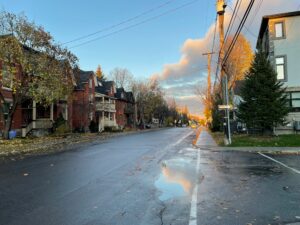
IES mobilized immediately and sent a technician to Ottawa, where field support continued for several weeks. The affected properties represented a broad cross-section of residential construction, including multi-dwelling units, townhouses, apartment and other multi-unit buildings, duplexes, attached homes, and detached homes.
Each building presented different conditions. Construction materials, building age, the extent of water entry, accessibility, occupancy, and the time between the initial loss and inspection all had to be considered.
The assignment demonstrated that effective catastrophe response requires more than simply sending additional personnel. Consultants must be able to work within an existing claims and restoration process, collect reliable information, communicate efficiently, and provide consistent documentation across many different properties.
Testing Before Restoration Begins
Pre-restoration testing helps identify environmental hazards that could influence demolition, cleanup, and remediation. During the Ottawa response, IES performed several forms of investigation and sampling based on the conditions encountered.
Bulk samples of building materials were collected where asbestos-containing materials were suspected. This is particularly important before materials are disturbed during demolition or restoration.
Ontario’s Asbestos Regulation, O. Reg. 278/05, establishes requirements related to asbestos on construction projects and in buildings and repair operations. It also specifies requirements for the collection and analysis of bulk material samples. Identifying asbestos before restoration work begins helps the project team determine whether regulated asbestos procedures are required.
Mould assessment and sampling may also be appropriate where materials have remained wet, visible growth is present, musty odours are reported, or concealed contamination is suspected. Health Canada advises that flooding and excessive moisture can contribute to mould growth and poor indoor-air quality. Its guide to addressing moisture and mould indoors emphasizes prompt and complete cleanup following a flood.
Where sewage or contaminated water is involved, bacterial or water sampling may provide additional information about site conditions. Indoor-air-quality assessments and air sampling can also help evaluate airborne concerns before, during, or following remediation.
Testing is not performed simply to generate data. The purpose is to obtain information that can guide practical decisions about worker protection, material handling, containment, removal, cleaning, and verification.
Developing Written Scopes, Reports, and Recommendations
Field observations and laboratory results become most useful when they are translated into clear documentation.
IES provides written reports, recommendations, and environmental scopes based on the conditions identified during an assessment. These documents can outline the affected areas, summarize sampling results, identify materials or hazards requiring special consideration, and recommend appropriate next steps.
A well-defined scope helps the restoration contractor understand the environmental requirements associated with the project. It also gives the adjuster a documented basis for reviewing the proposed work and communicating with other parties involved in the claim.
Without a clear scope, different parties may interpret the same conditions differently. That can lead to delays, repeated site visits, incomplete remediation, or unnecessary removal of materials.
A practical environmental scope should be detailed enough to guide the work while remaining understandable to people who may not have a technical background. IES is known for a prompt, proven, and non-alarmist approach. The objective is not to exaggerate a concern, but to explain what was observed, what the results mean, and what actions are reasonably recommended.
Why Different Building Types Require Different Approaches
A flood response involving multiple building types cannot rely on a single standard solution.
In a detached home, the affected area may be limited to one basement and controlled by a single owner. In a duplex, townhouse complex, or multi-dwelling unit, water may affect adjoining spaces, shared walls, common mechanical systems, corridors, or several occupied units.
Larger residential buildings can also present logistical challenges. Consultants and contractors may need to coordinate access with property managers and occupants, maintain safe pathways through common areas, and prevent contaminants from travelling between affected and unaffected spaces.
Building age is another important factor. Older properties may contain plaster, textured finishes, vinyl floor tiles, pipe insulation, mechanical insulation, or other materials that could contain asbestos. Renovations completed at different times can result in multiple layers of material, each potentially requiring assessment.
The Ottawa assignment required IES to apply consistent environmental principles across MDUs, townhouses, duplexes, attached homes, detached homes, and other residential buildings while adapting the assessment to the conditions at each location.
That same adaptable approach is valuable when responding to insurance claims in Chatham-Kent, where the building stock also includes properties of different ages, sizes, construction types, and uses.
Returning for Post-Remediation Clearance
The environmental consultant’s involvement may continue after the initial assessment and written scope are completed.
IES can return during or following remediation to conduct visual inspections, additional sampling, and clearance testing. This stage helps determine whether the environmental portion of the work has been completed in accordance with the applicable scope and whether identified concerns have been appropriately addressed.
Depending on the project, post-remediation verification may include:
- A visual assessment of the work area
- Confirmation that specified materials have been removed
- Review of cleaning and containment conditions
- Air sampling
- Surface or other environmental sampling
- Documentation of remaining deficiencies
- Written clearance or follow-up recommendations
Clearance should not be treated as a formality. It provides a final quality-control step before containment is dismantled, reconstruction proceeds, or an area is returned to normal use.
IES’s planned return to the Ottawa properties for remediation follow-up and clearance testing reflects the importance of continuity. The same consultant who understands the original conditions and scope can assess the completed work against the project requirements.
The Value of Collaboration During Catastrophic Events
Large storms and regional flooding can generate many claims over a short period. Adjusters, contractors, laboratories, and consultants may all experience sudden increases in demand.
The Ottawa response shows the value of professional cooperation. Rather than allowing a lack of local capacity to delay assessments, another consulting company contacted IES for support. IES responded promptly and contributed personnel, sampling experience, documentation, and technical knowledge to the broader response.
This kind of collaboration benefits the entire project team. Adjusters receive the environmental information required to move claims forward. Restoration contractors receive clearer direction for their work. Property owners benefit from a more organized response, while the primary consulting company gains qualified additional capacity without compromising professional expectations.
Catastrophe response depends on consistency, communication, and the ability to mobilize. IES’s experience serving Southwestern Ontario, combined with its ability to support work elsewhere in the province, positions the company as a valuable resource when environmental demands increase unexpectedly.
Environmental Consulting for Insurance Claims in Chatham-Kent
Chatham-Kent properties can also be affected by heavy rainfall, sewer backups, plumbing failures, overland water, and other moisture-related losses. When these events disturb building materials or create concerns about mould, bacteria, asbestos, or indoor-air quality, early environmental involvement can help establish the right path forward.
IES Consulting has provided environmental and health and safety consulting services since 1996. The team works with adjusters and restoration contractors to deliver timely assessments, sampling, reporting, scopes, recommendations, and clearance services.
The Ottawa flood assignment is one example of IES’s ability to respond quickly and work collaboratively under demanding conditions. The same experience supports insurance claims in Chatham-Kent, where timely information can help adjusters and restoration contractors coordinate safe and effective restoration.
From the initial inspection through post-remediation clearance, IES focuses on accurate information, practical recommendations, responsive service, and peace of mind.
Contact IES Consulting
Contact IES today to see how we can provide peace of mind.